
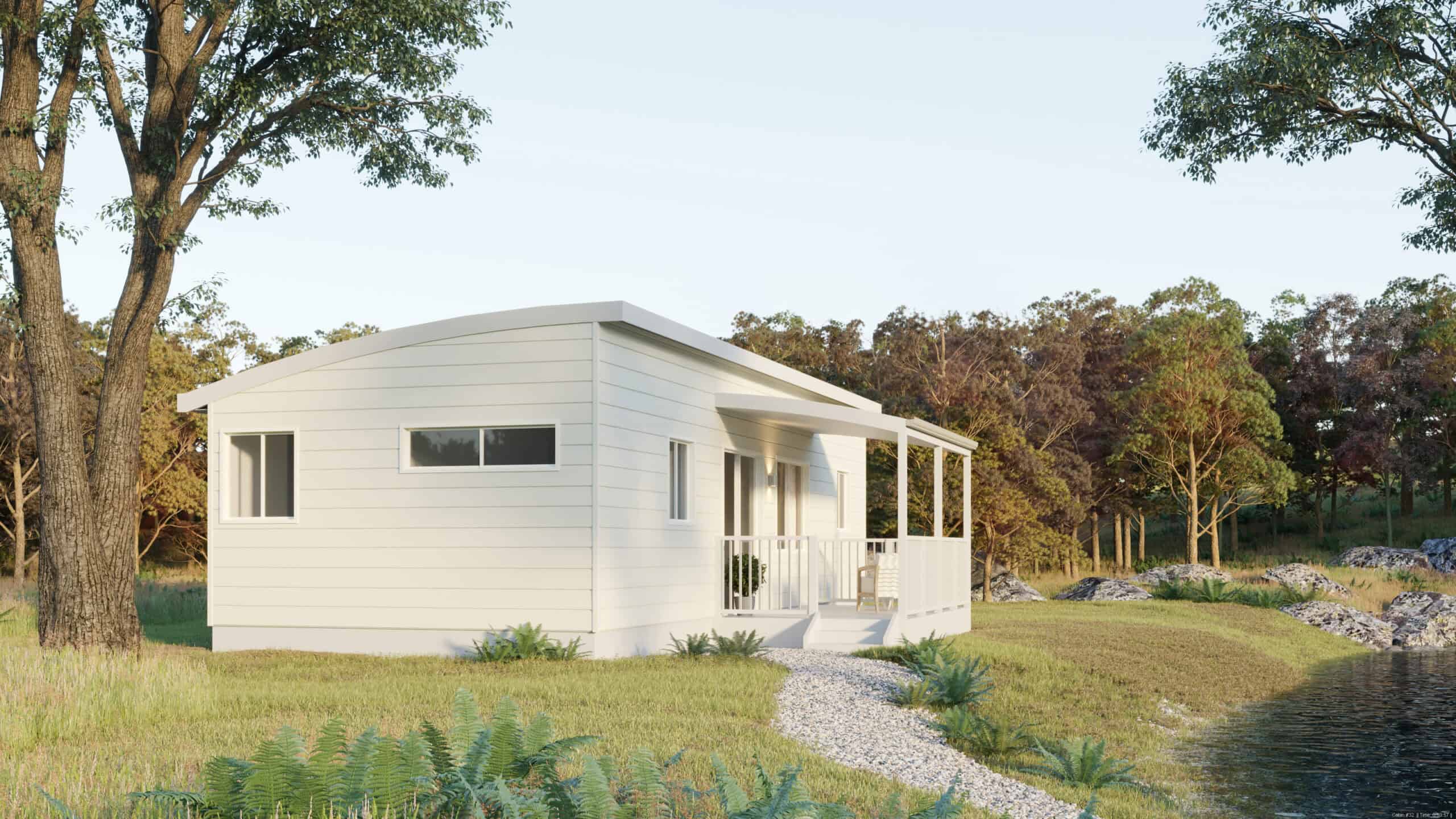
Have you ever driven through the wheatbelt or down the coast and quietly wondered what it would take to live out here for good?
You are not alone. More West Australians than ever are making the change, swapping the suburbs for open skies and a calmer pace. Farmhouse living in regional WA sits right at the top of that wish list. Before you commit, though, a few things are worth knowing, from picking the right block to planning a home that genuinely suits country life. Browse our farmhouse designs for a little inspiration as you read.
The Real Appeal of Farmhouse Living in the Regional WA
The pull of the country is easy to understand once you have felt it. Space to breathe, room for the kids and the animals, and a slower rhythm that the city rarely offers. For many households, the vision takes the shape of a classic Australian homestead, with wide verandahs, a pitched roof and a warm, welcoming interior.
What makes modern farmhouses so appealing is the balance they offer. You keep the character of a traditional farmhouse, the honest look and the timeless silhouette that has suited our landscape for more than a century, yet the inside feels bright, comfortable and thoroughly contemporary. Nobody wants to trade modern comfort for rustic charm, and now you no longer have to.
This way of living is also about how you spend your days. A country home nudges you outdoors, invites people over and gives everyone a bit of breathing room under one roof. There is a quiet freedom in having a shed for the tools, a veggie patch out the back and a verandah made for slow weekend mornings. It is a lifestyle as much as a house, which is precisely why it resonates with so many buyers ready for a real change.
We have watched this shift gather pace over recent years. People are not simply chasing a cheaper block; they are after a different way of living altogether. If you want to understand why the look endures, our article on why the traditional farmhouse remains perfect for Australian life is a great place to start. It captures the heart of the appeal far better than any brochure ever could.
Choosing Your Location and Land
Where you build shapes everything that follows, so it pays to think hard about location before you fall for a particular floor plan. Regional WA is vast and wonderfully varied, and each pocket of it offers something different.
The South West region draws people with its greenery, wineries and cooler climate. The Great Southern brings dramatic coastline and rich farmland. Travel up to the Mid West, and you swap humidity for wide, sunbaked horizons. Each area has its own character, its own communities and its own practical realities, so it is worth spending genuine time in a place before you buy there.
Once you have settled on a region, the block itself deserves close attention. A few things we always encourage buyers to check:
- Access for delivery vehicles and everyday driving, particularly on unsealed roads or tightly spaced blocks
- Services such as power, water and internet, or the cost of going off-grid
- Soil and slope, which influence footings and site preparation
- Aspect, so you can capture sun and views where they matter most
A beautiful rural property can hide a surprise or two, and the earlier you spot them, the better. Set aside budget for a proper inspection and ask plenty of questions of the seller and the local shire. Talking to neighbours who have already built nearby can be just as valuable, since they know the quirks of the area first-hand. It also helps to picture your everyday routine honestly, because a stunning block an hour from the nearest town can lose some of its charm on the daily school run.
Getting this stage right saves money and headaches down the track. If you would like a practical steer, our guide to choosing the right block of land covers what to look for in detail. Nail the location and the land, and the rest of the journey runs far more smoothly.
Designing a Farmhouse That Works for Country Life
A farmhouse should feel effortless to live in, which means the layout has to match the way regional families actually spend their time. Get it right, and the home works with you every single day rather than against you.
Open, connected living
Regional life, much like metro living, tends to revolve around the kitchen and the areas that surround it. Open plan living areas let the cook stay part of the conversation while meals come together, and they make hosting a crowd easy. An open-plan heart to the home also keeps clear sightlines to the yard, so you can watch children and pets without hovering over them.
Light and height
Rural blocks usually come with a view worth framing. We plan for generous natural light and position expansive windows to draw the outdoors in. Add high ceilings through the main living spaces and even a modest footprint starts to feel calm and roomy. The difference this makes to the everyday mood of a home is hard to overstate.
Room to grow
Families change, and a good regional home leaves a little slack for that. Whether it is an activity room for the kids, a study nook, or a guest wing for visitors who stay the weekend, allowing for more space now can save you a renovation later. Practical extras like a walk-in pantry, generous linen storage and a mudroom by the back door are the sort of small touches that keep rural family life running smoothly.
Small decisions during design add up to a home that fits your household for years. If you are working out how to get the most from every square metre, our advice on modular designs that maximise comfort and space is full of ideas. Thoughtful glazing, clever zoning and well-placed expansive windows really do make all the difference to how a farmhouse lives.
Building Materials and Planning for the Climate
Regional WA can be tough on a home. Summers run hot, dust travels a long way, and some areas carry a real bushfire risk. Choosing the right building materials from the outset is essential, not only for looks but for how the home performs and how much you spend keeping it comfortable.
We favour robust, proven options that stand up to the conditions without constant upkeep. Weatherboard-style cladding, quality roofing, durable flooring and well-sealed joinery all earn their place in a regional build. The aim is a home that looks the part on day one and still does many seasons later.
Climate-smart thinking matters just as much as the products themselves. Orientation, insulation, eave depth and window placement work together to keep a home cool through summer and warm through winter, which trims running costs in a part of the world where the mercury swings hard. Sitting a home in tune with nature, rather than fighting it, is one of the simplest ways to build better and live more cheaply. In higher-risk pockets, meeting bushfire construction requirements is part of the discussion from the outset, and building to the correct standard buys you real peace of mind long after you have moved in.
There is also a strong case for finishes that echo the setting. Earthy tones, timber and stone help a farmhouse settle into its surroundings so it looks like it has always belonged there. For inspiration on getting that palette right, our look at natural materials like earth, wood and stone is well worth a read. The right calls at this stage reward you quietly, every season, for the life of the home.
What to Expect From the Build Process
Building in a regional area can feel daunting if you picture the usual delays of a remote site build. This is exactly where modular construction rewrites the story, and understanding the design process early helps you feel informed and in control from the very beginning.
With us, the bulk of the work happens in our controlled factory. This approach makes the whole building experience far more predictable, because progress does not stall every time the weather turns or a trade is booked out hours away. While your home takes shape indoors, groundwork and services can be organised on site in parallel, which keeps the overall timeline tight. For anyone building a long way from the metro area, that certainty is worth its weight, because it removes most of the weather and labour risks that so often stretch a conventional build.
Here is roughly how a modular project unfolds:
- We talk through your needs, your budget and the block, then settle on a design
- Your home is engineered and built in the factory to a consistent standard
- It is transported to site and craned carefully into position
- Final connections and finishing touches bring the home to life
Visiting display homes is a great way to picture the finished result and ask questions face to face. Throughout the build, we keep you across each milestone, so there are no unwelcome surprises. That steady support is a big reason buyers feel comfortable building with us, even from a distance. If you want the full picture, our overview of everything about modular construction explains each step in plain language. A home perfectly suited to country life is closer than you might think.
Building With Regional Builders Who Know the Terrain
Local knowledge is worth a great deal when you build beyond the metro fringe. Partnering with a regional building company that already understands regional conditions saves you from costly guesswork and gives you a builder who has done it before, many times over.
We are proud to be counted among Western Australia’s most experienced WA country builders. Modular WA began as a small family business and grew into one of the most respected names in the state. Our Managing Director, Wayne McGrath, comes from a line whose history in prefabricated housing spans some thirty years. Back in the early 1970s, the McGraths pioneered pre-stressed concrete floors and were among the first here to build prefabricated homes using that technology.
That depth of regional building know-how shows up in the finished product and in the smoothness of the journey. We have earned multiple industry awards, yet the recognition we value most comes from families right across the state who trust us with their homes. Our reach stretches from the coast to the wheatbelt, and we build in plenty of regional areas in between. That footprint means we have already learned the councils, the transport routes and the site challenges that regularly catch out newcomers to country building.
Choice helps, too. Our extensive range means you are not forcing your plans into a single template, while our dedicated farmhouse range gives country buyers a proper starting point. That flexibility is a genuine advantage when your block and your way of life are one of a kind. Have a look at our story and team to see who you would be working with, and explore our farmhouse homes for the Albany region if the south coast is calling your name.
Is Regional WA Calling?
Ready to swap the daily grind for something a little more grounded? If farmhouse living in the regions has captured your imagination, the best next step is a genuine conversation about what you want to create and where. Building your dream home in the country is a big decision, yet with the right guidance it should feel exciting rather than overwhelming. Whether you are set on starting a new home soon or simply interested in what might be possible, we would love to help you shape a place for the life you are picturing. Get in touch with our friendly staff and let us begin.
