
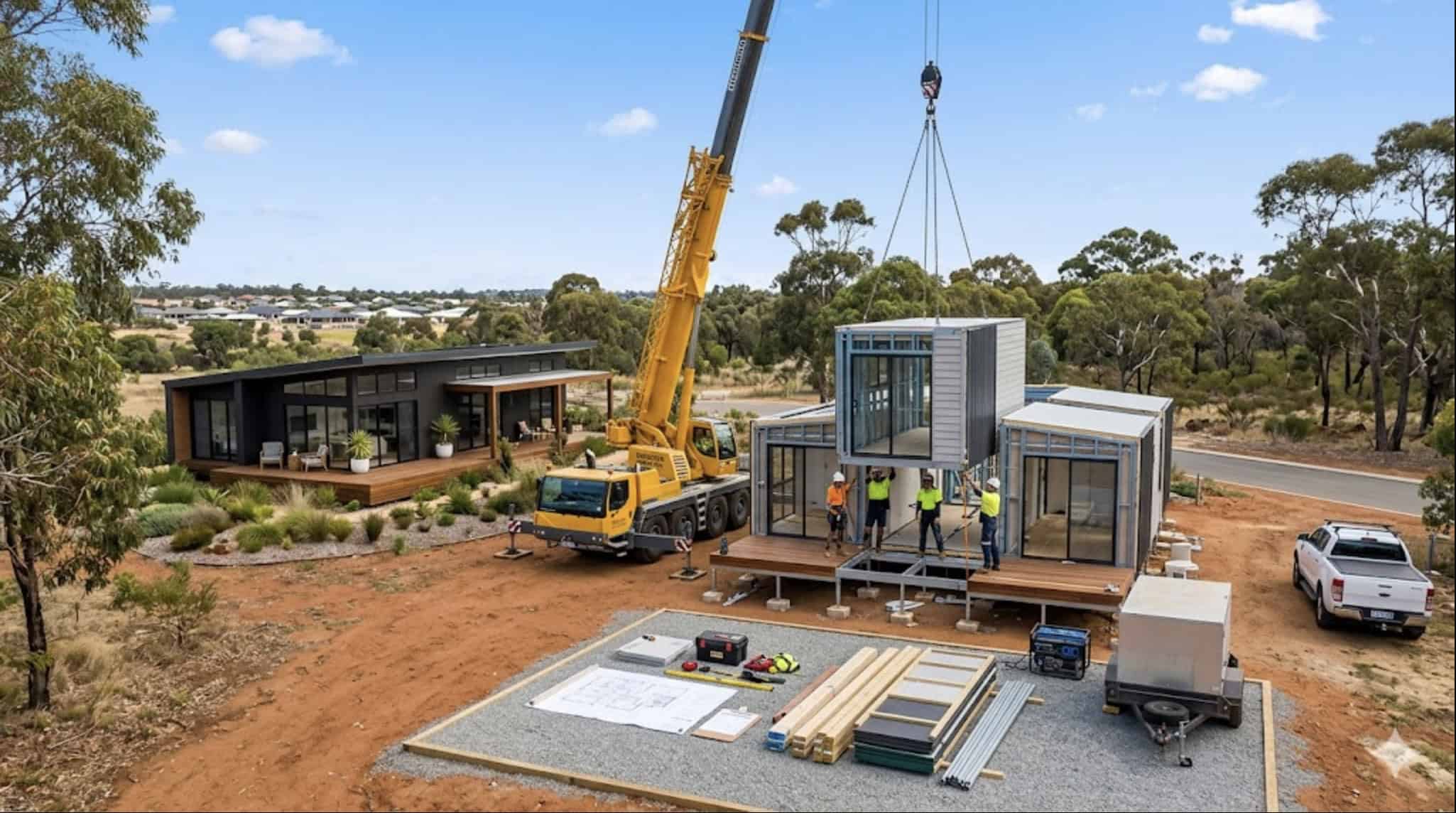
How much do modular homes really cost in Western Australia?
It’s one of the most common questions asked by homeowners considering an alternative to traditional construction. While modular builds can offer efficiency and predictability, understanding the full cost requires looking beyond the base price alone.
This guide explains the real cost components involved in building modular homes in WA, so you can plan with clarity and realistic expectations.
What Are Modular Homes?
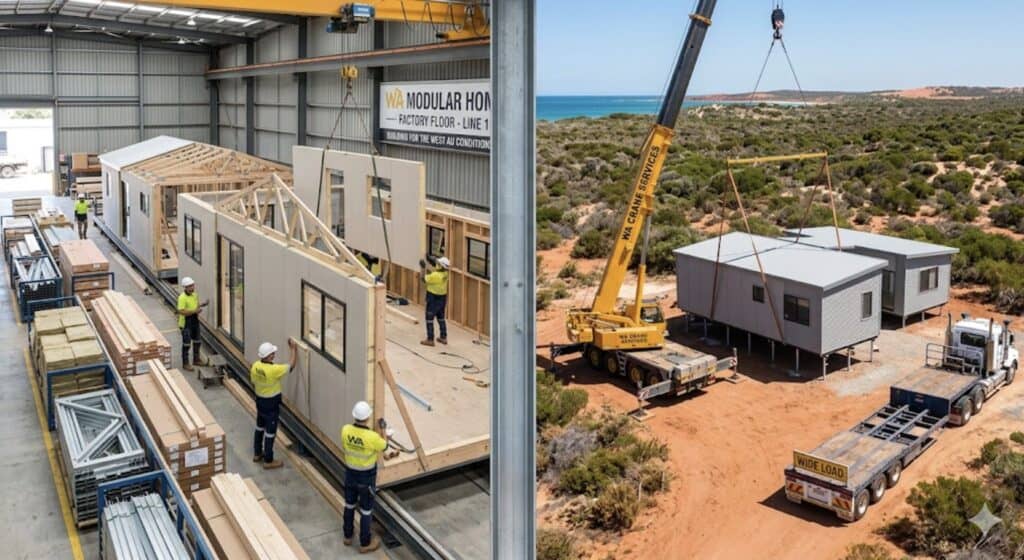
Modular homes are built in sections within a controlled manufacturing environment and then transported to the site for installation. Unlike traditional homes, which are constructed entirely on-site, this method reduces weather delays and allows for more consistent quality control. At Modular WA, our high-quality modular buildings are made to withstand Western Australia’s harshest landscapes, from the harsh desert of the Pilbara, to the plunging lows of the South West.
In regional and remote areas of Western Australia, modular construction is often a practical solution due to transport efficiency and shorter on-site build times.
Costs to Consider
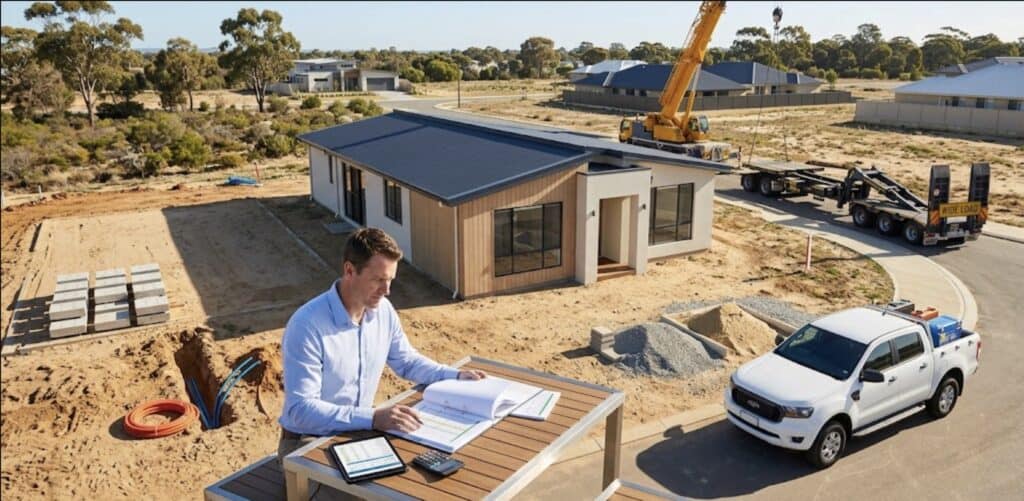
The base build price of modular homes in Western Australia generally depends on the layout, finishes and level of customisation.
It’s important to note that this pricing typically reflects the home itself and may not include site-related expenses, transport or utility connections.
Several factors influence the base cost.
Size and Floor Plan
The overall square metre size is one of the primary cost drivers. Compact layouts with fewer bedrooms and bathrooms will cost less than larger family designs with multiple living areas. Additional bathrooms, extended alfresco spaces or complex rooflines will increase structural costs.
Inclusions and Upgrades
Most modular housing packages include standard fixtures, flooring, cabinetry and appliances. However, upgrades such as stone benchtops, premium tapware, upgraded cladding, higher ceilings or enhanced insulation will raise the total price.
Custom Design Requirements
Pre-designed floor plans are generally more cost-effective than fully customised homes. Structural modifications, unique layouts or specialised engineering requirements add design and manufacturing complexity, which is reflected in the final cost.
Site Preparation and Foundations
The home itself is only part of the overall budget. Site conditions can significantly influence the total project cost. Make sure you choose your block carefully; consider whether you’ll need to carry out extensive earthworks, is the block flat or sloped? Are there many trees that need to be cleared? Are there already services on site or will you need to bring them to your lot? Costs quickly add up for blocks of land that may at first seem to be a bargain. Need help choosing? Talk to our team for advice!
Site Works
The cost of clearing, levelling and preparing the land may depend on soil type, slope and access conditions. Sloping blocks, rocky terrain or remote locations can increase preparation expenses.
Footings and Slab
Although the home is manufactured off-site, it still requires compliant foundations. Costs vary depending on soil classification, engineering specifications and structural requirements. Depending whether you have sandy or clay conditions could impact what type of footings you require.
Transport and Installation
Because modular homes are delivered in sections, freight and installation costs must be factored into the overall budget.
Transport pricing depends on:
- Distance from the manufacturing facility
- Site accessibility
- Required escort vehicles
- Crane hire for placement
Remote WA locations may incur higher freight and logistics costs compared to regional centres.
Utility Connections and Infrastructure
Connecting services is another critical cost component that is sometimes underestimated.
In established towns, water, sewer and power connections may be relatively straightforward. In more isolated areas, additional infrastructure may be required, including:
- Septic or wastewater systems
- Rainwater tanks
- Off-grid solar systems
- Backup generators
These requirements can add substantial costs depending on the level of independence needed.
Council Approvals and Compliance
Building approvals, engineering certifications and council application fees must also be included in the total budget.
Modular homes are required to meet the same Western Australian building standards as traditional houses. This includes structural compliance, energy efficiency requirements and, where applicable, cyclone ratings.
Approval costs vary depending on council regulations and project complexity.
Interior and Exterior Finishes
Finishes can significantly influence the final project total.
Kitchen and Bathrooms
Kitchens and bathrooms are typically among the most expensive areas of any home. The choice between standard finishes and premium upgrades can create noticeable price differences.
Flooring and Internal Finishes
Flooring options such as carpet, vinyl, hybrid boards or timber all vary in price. Painting specifications and feature elements will also affect overall cost if you are choosing custom finishes beyond the basic inclusions.
External Additions
Decks, verandahs, carports and external stairs are often priced separately from the base build. Landscaping, fencing and driveways are typically excluded from initial quotes. We can cost them in or you can opt to complete these yourself.
Additional Costs to Consider
Even with transparent quoting, there are often extra items that homeowners need to budget for, such as:
- Window coverings
- Air conditioning upgrades
- Appliance upgrades
- Pathways and external works
- Furniture and fittings
Identifying these items early helps prevent unexpected financial pressure later in the project.
Are Modular Homes Cost-Effective in WA?
In many regional and remote areas of Western Australia, modular homes can provide significant, strong value for money compared to traditional site-built construction. Factory efficiency, reduced labour time and shorter on-site installation periods often help maintain cost control.
However, your final budget will depend on site conditions, transport distance, customisation level and chosen finishes. Modular WA focuses on delivering modular housing solutions tailored to regional and remote Western Australia.
Final Thoughts
The true cost of modular homes in WA extends beyond just the base build figure. Site preparation, transport, services, approvals and finishes all contribute to the final investment.
Understanding each component allows you to approach the process with realistic expectations and informed budgeting. With clear planning and detailed quotations, modular construction can offer a streamlined and transparent pathway to building in regional Western Australia.
